Everyone wants their appliances to last as long as possible but not everyone knows how to make them last. Maintaining household appliances is not difficult or time consuming. It just takes a bit of know-how and experience and soon enough you’re on the right path to enjoying the long-lived convenience of your chosen Bennett Read appliance. From A-Z, here’s a list of common electric household items you need to look after and a collection of some important appliance care notes.
Air coolers:
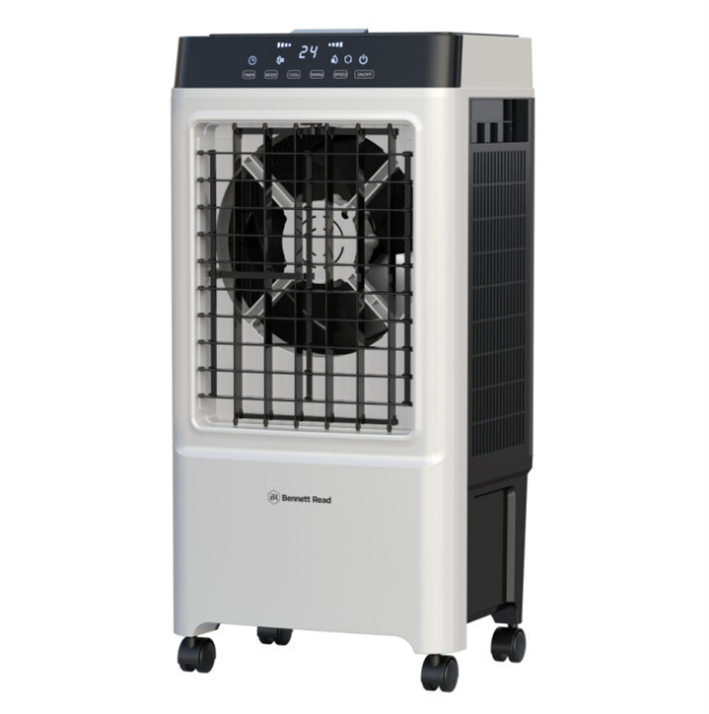
Cleaning: You should regularly clean their cooling pads, fan blades, and water filter. You should also empty and clean your water tank frequently and ensure all dirt is cleaned from inside your cooler, since this can reduce the effectiveness of your appliance.
Checks: Routinely inspect your water pump, water system, and check pipes for leaks.
Storage: When not in use, remove the water from the tank and dry the cooler by running just the fan without a water pump. Cover your air cooler when storing it to prevent a dust buildup.
Tip: Air coolers are great cooling appliances when properly maintained and used in non-humid areas.
Air Conditioners (Portable)
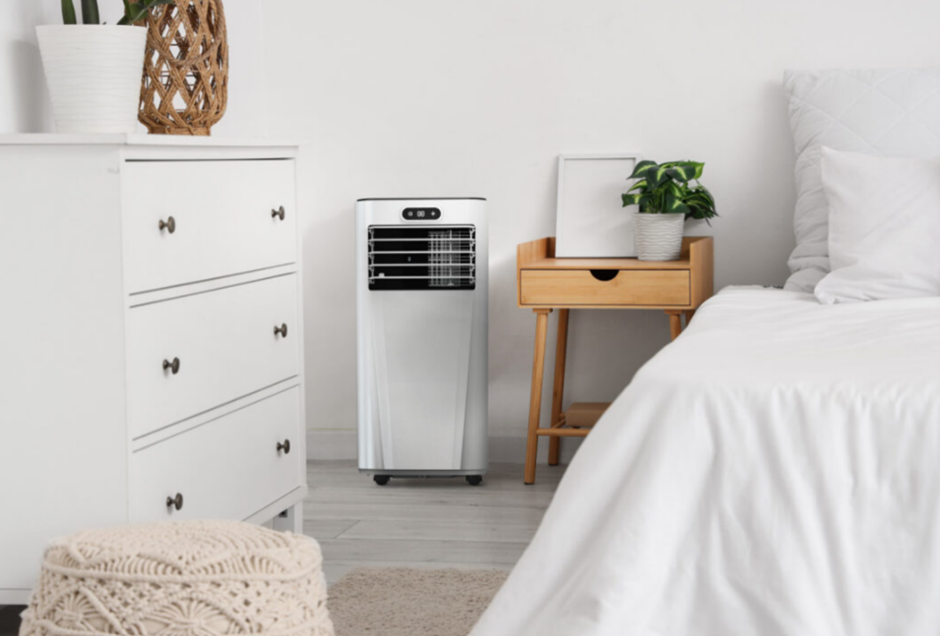
Cleaning: It’s important to clean the air filter frequently (every few weeks), since a dirty filter can reduce performance and strain the compressor. You should also clean the water tank often. Less frequent maintenance tasks include cleaning the condenser and evaporator coils (with a soft brush or vacuum attachment), emptying the condensate tank, and cleaning the exhaust hose annually.
Checks: Ensure there are no obstructions or blockages in the exhaust hose, check the power cord to make sure there is no damage, and look at hose and vent connections for any air leaks. Make sure the area around the portable aircon is clutter-free (to make way for proper airflow and to prevent the buildup of dust and dirt) and that it’s not in an area with excess moisture (preventing the growth of mold and mildew, avoiding electric issues, and ensuring the unit’s lifespan is not shortened).
Storage: Rid your portable aircon of internal moisture by running it on the fan-only mode for an hour or so, then store it in a cool dry area.
Air Fryers

Cleaning: When cleaning air fryers, never use harsh abrasive cleaning tools, as they could damage the non-stick coating. Always clean the basket and basket base straight after use, as leaving grease or food residue to sit will make it harder to clean and will damage the non-stick coating (with more force used to remove stubborn dirt).
Tips:
You can use liners or silicone baskets to put messy food on/in so that you can easily just remove the silicone and only clean this – ensuring no food residue is left to sit on the actual basket and that sauce, juice, or grease doesn’t drip to the base.
Loosen grime or grease with a bowl of water with vinegar and lemon juice. Run your air fryer with the bowl in it at 200°C for 10min.
Always check to make sure your air fryer basket is dishwasher safe before putting it in the machine. Thankfully, most Bennett Read air fryer baskets are dishwasher safe.
Checks: The space on top of your air fryer, behind it, and on the sides of it should not have any objects nearby. This is because the surrounding clutter can prevent sufficient airflow and can risk the appliance overheating. Also, check to ensure you don’t overfill your air fryer basket with food before cooking. This is because packing too much food inside can stop air from circulating properly and lead to uneven heating.
Blenders
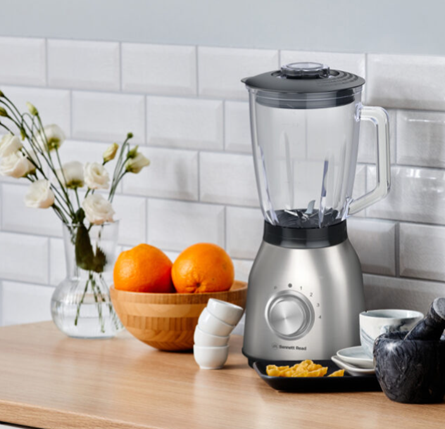
Cleaning: Always clean your blender after each use. You can easily clean it by filling it with hot water and sunlight liquid and running it with this mix for a few minutes. After this, make sure you unscrew the bottom of the blender and wash the blades and seal separately (by hand) with warm soapy water. Leave all the parts to dry properly before using again and never submerge the base of the blender in water as this will damage electrical components. You should only use a damp cloth to clean this.
Checks: Regularly check the seal (if your model has one) to ensure this is not damaged, as this can lead to leaks. Avoid Straining the Motor: Never overfill the blender (past the max limit – refer to your manual). Never start blending at a high speed – always start slowly and gradually work your way up to a higher speed. Also, make sure you add liquids before solids to help everything blend together with ease. Never add large chunks of frozen food items – make sure you break items into smaller parts to avoid jams.
Dishwashers
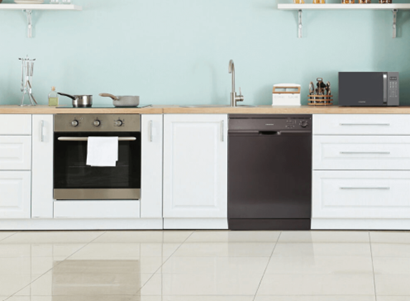
Cleaning: One of the most important cleaning activities you can do is clean your filter (run it under warm water and gently wipe it). If you don’t do this routinely, you can damage your dishwasher because the food particles that the filter catches will build up and lead to clogs and this can even risk breaking the pump due to the strain this puts on it. In addition to this, make sure you remove any food residue on the side walls, drawer, and bottom of your dishwasher after each use and also ensure that you clean out any caked residue in the detergent draw (or pocket).
Checks: Before running each load, make sure that you haven’t crammed too many dishes in. The more crowded you pack it, the less effective it will be as water won’t be able to circulate through the machine properly. Also check to see that you’re using the recommended detergent for your machine, as this will be better at cleaning your dishes. If you find that your dishes aren’t fully cleaned after a cycle, then be sure to check the spray arms for blockages.
Fans
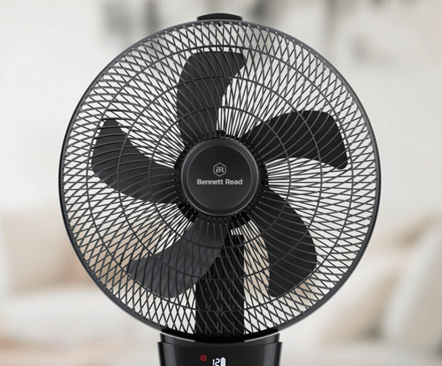
Cleaning: Cleaning a fan is not as tricky as it may seem. You can use an air compressor to clean dust off fragile parts or, if you have a Bennett Read vacuum, you can simply use this on a low suction setting. To carry out a thorough clean, we recommend taking your fan apart and dusting or wiping down individual components.
Tip: You can use an old toothbrush or semi-soft bristled hand brush to clean fan grill.
Checks: Frequently inspect your fan for any hair or lint tangles around the fan blades or motor shaft. This can put extra strain on the motor, dramatically decreasing its lifespan.
Storage: When storing your fan, either get a cover for it or keep it in its box to prevent dust and dirt from settling into it (which may cause unnecessary wear).
Fridges
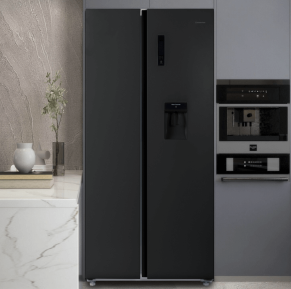
Cleaning: You should clean the seals of your fridge at least once a week to prevent grime from damaging it overtime. A damaged seal will shorten the lifespan of your fridge, since cool air will escape and there will be greater strain placed on it to maintain its set temperature. Clean your condenser coils at least twice a year to help the fridge release heat and maintain efficiency. You will find these at the bottom behind your fridge typically. You can gently vacuum these or dust them. When it comes to defrosting your freezer, you should do this at least once a year or when the ice builds up to 6mm thick.
Checks: Make sure you don’t place your fridge too close against the wall and that there’s no clutter near it. This is because your fridge needs proper airflow for it to operate effectively. Ensure your fridge is always stocked sufficiently. A moderately full fridge is more energy-efficient than an empty one, as it maintains temperature better. However, you shouldn’t overfill it since this will decrease air circulation, making the compressor work harder (decreasing its lifespan).
Storage: Never leave your fridge sitting for long periods of time without it running. Fridges are designed to always be operational and can break when sitting unpowered.
From air coolers to fridges, these appliance care tips should give you all the information you need to get the most out of your Bennett Read appliances. Keep an eye on our social feeds for more useful maintenance tips (@BennettReadZA).