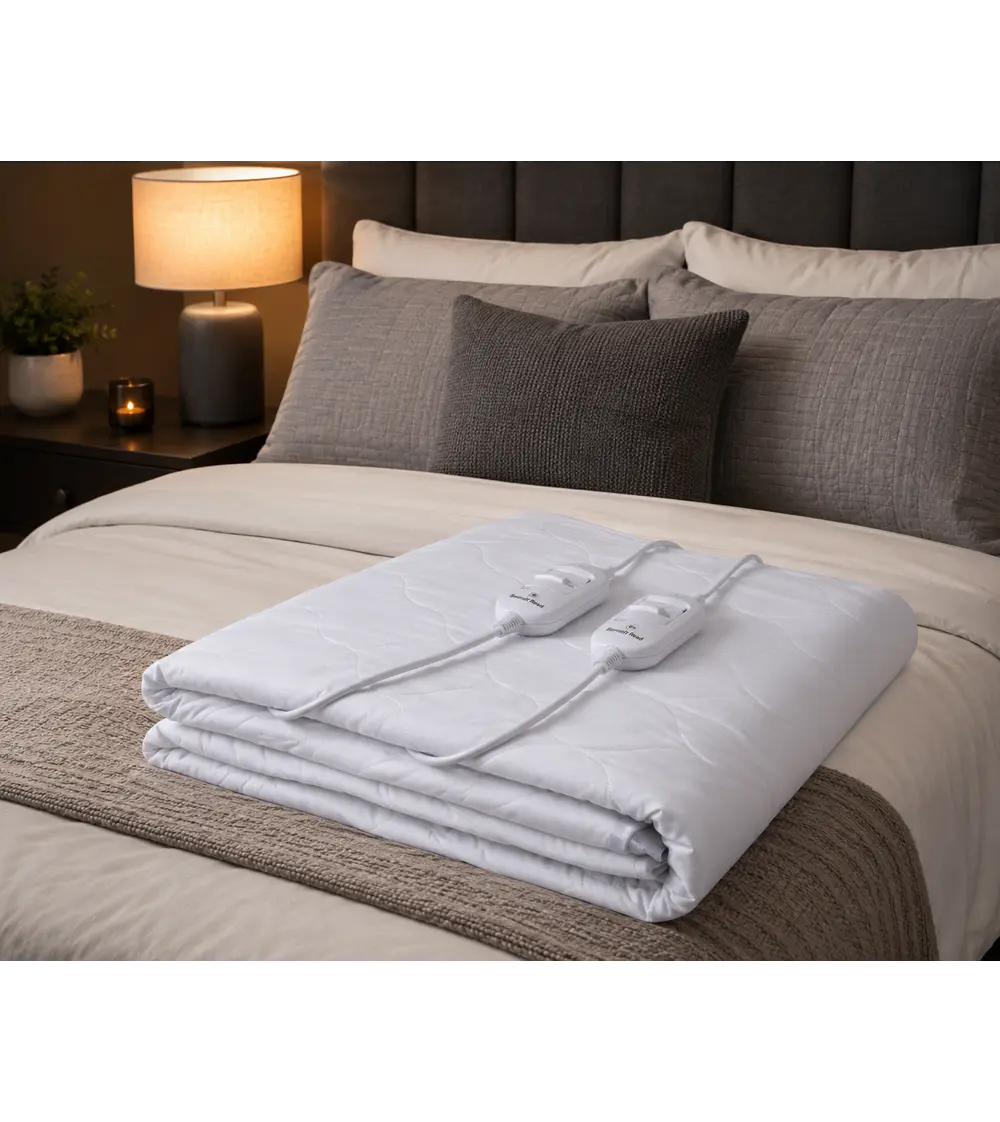
 South Africa is generally considered a warm country, and for most of the year that is true. But anyone who has woken up on a Highveld winter morning, sat through a Cape Town cold front or felt the chill settle into a KwaZulu-Natal evening in July knows that the cold is very real, even if it does not last all year.
An electric blanket is not just a winter luxury. In most South African homes, it is a practical investment that earns its place in the linen cupboard long before the first frost arrives.
What You Will Find in This Article
- Why electric blankets make sense across all South African climates
- How much electricity an electric blanket actually uses
- Essential safety tips for using an electric blanket
- How to choose the right size for your bed
- The Bennett Read electric blanket range
South Africa Is Warm. So, Why Do You Need One?
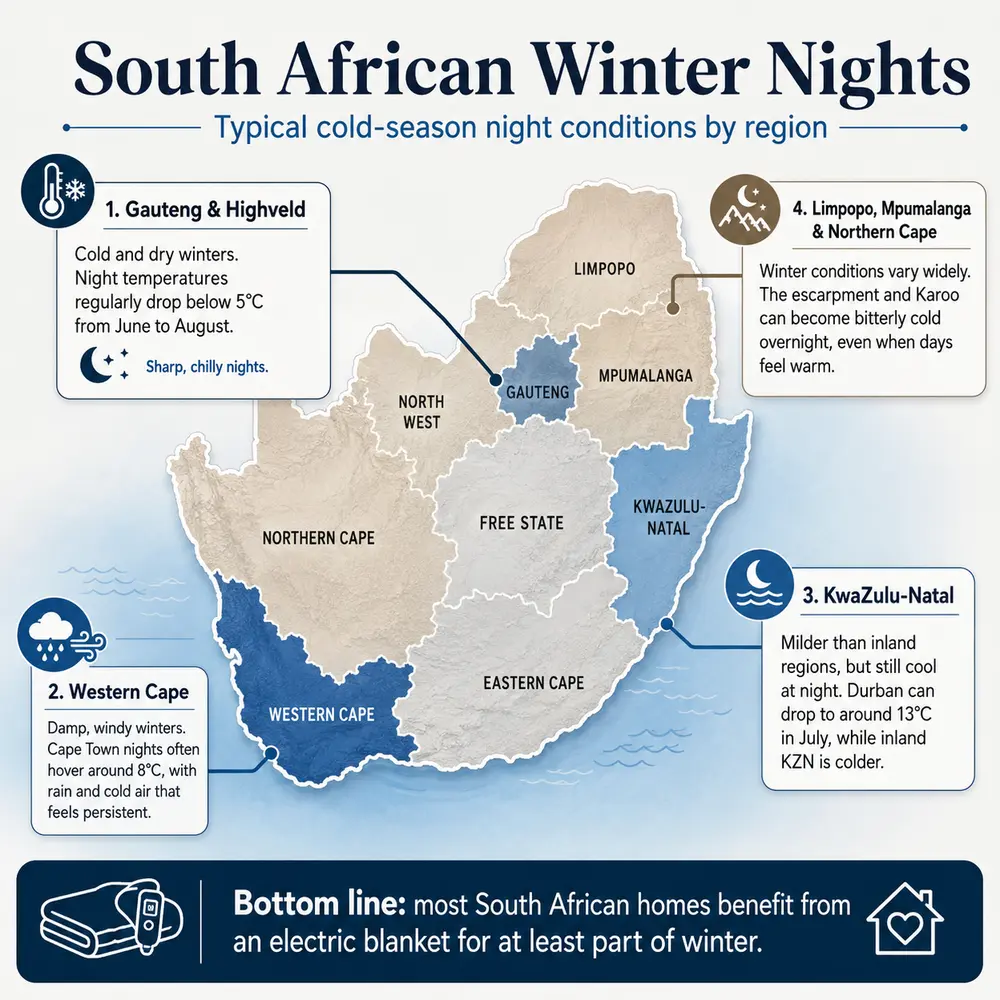 The answer depends on where you live, but the short version is: nearly everyone benefits from one for at least part of the year.
In Gauteng and the Highveld, winters are cold and dry. Temperatures regularly drop below five degrees at night from June through August, and the altitude makes those cold snaps feel sharper than coastal areas. An electric blanket here is not a luxury; it is a straightforward solution to genuinely cold nights.
In the Western Cape, the cold is wetter and windier. Cape Town winters are damp and persistent, and the cold has a way of getting into the house regardless of how well insulated it is. An electric blanket pre-warms your bed before you get in, which makes a significant difference when the temperature outside is hovering around eight degrees with rain against the window.
In KwaZulu-Natal, Durban included, winters are milder but not warm. Night temperatures in Durban can drop to around thirteen degrees in July, and while that sounds mild by Gauteng standards, an unheated home at night still feels cold. Inland areas of KZN experience considerably colder winters. For many Durban households, an electric blanket is not used every night but earns its place for the two to three months when evening temperatures make a warm bed genuinely welcome.
In Limpopo, Mpumalanga and the Northern Cape, winters vary dramatically. The Drakensberg escarpment and the Karoo can be bitterly cold overnight even if daytime temperatures feel warm. An electric blanket is a year-round fixture in many of these homes.
How Much Electricity Does an Electric Blanket Use?
Far less than most people expect.
A typical electric blanket uses between 50W and 150W of power, depending on the heat setting. To put that in perspective:
- Electric blanket: 50W to 150W
- Electric kettle: Around 2000W
- Bar heater: Around 1000W or more
Running an electric blanket on a low or mid setting for eight hours uses roughly the same electricity as one cup of tea from a kettle.
Compared to heating an entire room with a bar heater or panel heater, an electric blanket is significantly more energy-efficient because it heats you directly rather than the air around you. For households managing electricity costs, this makes it one of the most cost-effective ways to stay warm at night during load shedding-free hours.
Electric Blanket Safety Tips
Electric blankets are safe when used correctly. Follow these guidelines to make sure yours stays that way:
- Never fold or bunch an electric blanket while it is switched on, as this can cause heat to concentrate in one area.
- Do not place heavy objects such as pillows or other bedding on top of a switched-on electric blanket.
- Always switch the blanket off or to the lowest setting before getting into bed unless the blanket is specifically designed for all-night use.
- Check the blanket regularly for signs of wear, fraying or damage to the cord or controller.
- Never use an electric blanket with a damaged cord or controller.
- Do not use an electric blanket if it has been wet until it has been fully checked and confirmed safe.
- Keep pets off the bed while the blanket is in use.
- Always detach the controller before machine washing.
All Bennett Read electric blankets include built-in overheating protection and an indicator light, giving you an additional layer of safety and peace of mind throughout the night.
How to Choose the Right Size
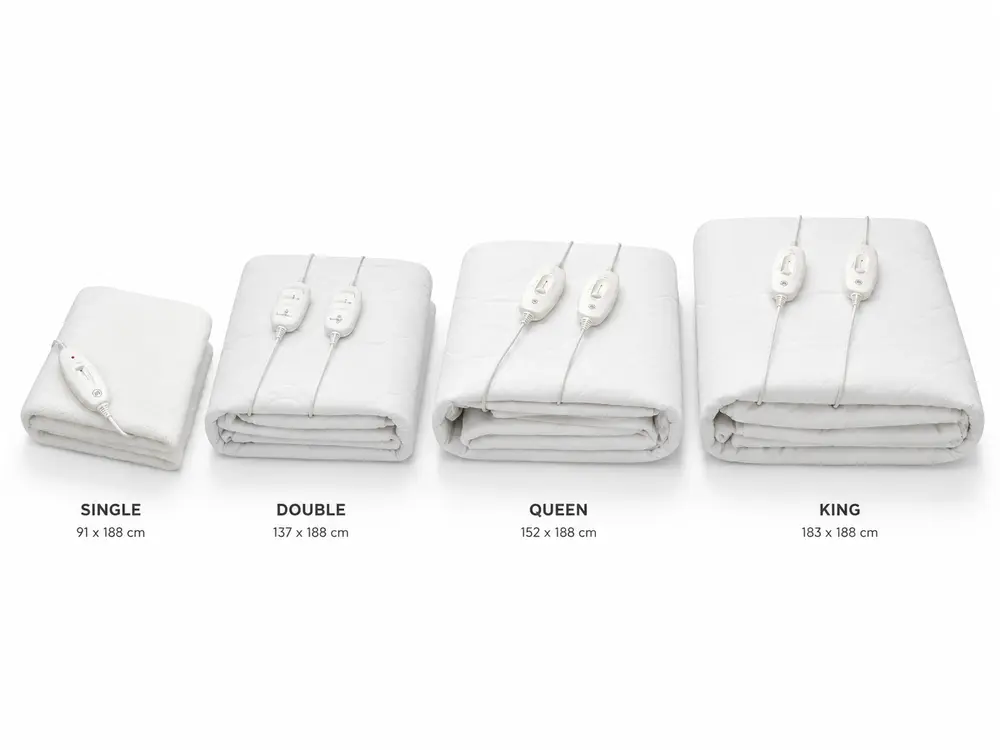 Choosing the right size electric blanket is straightforward. Match it to your mattress size.
Single
- One controller
- Ideal for single beds, children's rooms, guest rooms and student accommodation
Double
- Two separate detachable controllers, one for each side of the bed
- Each person controls their own warmth independently
Queen
- Two separate detachable controllers
- Fits a standard queen-sized mattress with the fitted skirt keeping it securely in place
King
- Two separate detachable controllers
- Built for king-sized mattresses with the same even heat distribution and dura-stitch design for long-term durability
The dual controller design on double, queen and king sizes is one of the most practical features available. If one partner runs warm and the other runs cold, each side of the bed can be set independently without compromise.
The Bennett Read Electric Blanket Range
All Bennett Read electric blankets share the same core features across the range:
- Soft, quilted 4-layer hypoallergenic cotton construction
- High, mid, low and off heat settings
- Quick and even heat distribution
- Advanced overheating protection with an indicator light
- Even-distribution internal structure to alleviate pressure points
- Machine-washable design with detachable controllers for easy cleaning
- 1-year warranty, extendable to 2 years with online registration
Bennett Read Electric Blanket Single
The ideal starting point for solo sleepers, guest rooms and student digs. One detachable controller, full safety features and the same premium cotton construction as the larger sizes.
Bennett Read Cotton Electric Blanket Double
Two independent controllers for couples who prefer different temperatures. The fitted skirt keeps the blanket firmly in place throughout the night.
Bennett Read Quilted Cotton Electric Blanket Queen
A step up in size with the same dual controller setup and premium 4-layer quilted design. Fits queen mattresses with a snug, secure skirt.
Bennett Read Electric Blanket King / Quilted Cotton King
The largest option in the range, built for king-sized beds and cold-climate households. Dura-stitch design and mattress protection add long-term durability to an already robust product.
Whether you are in Johannesburg bracing for a proper Highveld winter, in Cape Town managing a damp cold front, or in Durban simply making those cooler July evenings more comfortable, a Bennett Read electric blanket is one of the most cost-effective ways to improve your sleep during the colder months.
FAQs
Is it okay to sleep with an electric blanket on?
It depends on the blanket and the setting. Some electric blankets are designed for all-night use on a low setting, while others are best used to pre-warm the bed before switching off.
All Bennett Read electric blankets include overheating protection and an indicator light. If you prefer to sleep with it on, use the lowest heat setting and ensure the blanket is lying flat without heavy bedding on top. Check your specific model's instructions for guidance on overnight use.
Do electric blankets use a lot of electricity?
No. A typical electric blanket uses between 50W and 150W depending on the heat setting, which is significantly less than a bar heater (around 1000W) or even a kettle (around 2000W).
Running an electric blanket on a low setting for a full night uses a fraction of the electricity of heating a room. For South African households managing electricity costs, an electric blanket is one of the most energy-efficient ways to stay warm at night.
What size electric blanket do I need for a double bed?
You need a double-size electric blanket.
The Bennett Read Cotton Electric Blanket Double is designed specifically for double mattresses, with a fitted skirt that keeps it securely in place and two separate detachable controllers so each person on the bed can set their own heat level independently.
If your bed is larger than a standard double, opt for the queen or king size to ensure full, even coverage across the mattress.