Both juicers and blenders promise healthier eating, faster meal prep and better nutrition. But they do very different things. If you have ever stood in an appliance aisle unsure which one to buy, this guide settles it.
What You Will Find in This Guide
• The key difference between a juicer and a blender • What each appliance is best suited for • An overview of the Bennett Read juicer and blender range • A quick comparison table to help you decide • Answers to the most common juicer and blender questions
The Core Difference
A juicer extracts liquid from fruit and vegetables, leaving the pulp behind. A blender processes whole ingredients, pulp, fibre and all, into a smooth drink or mixture. Neither is better than the other. It depends entirely on what you want to make and how you prefer to consume your nutrition.
When to Choose a Juicer
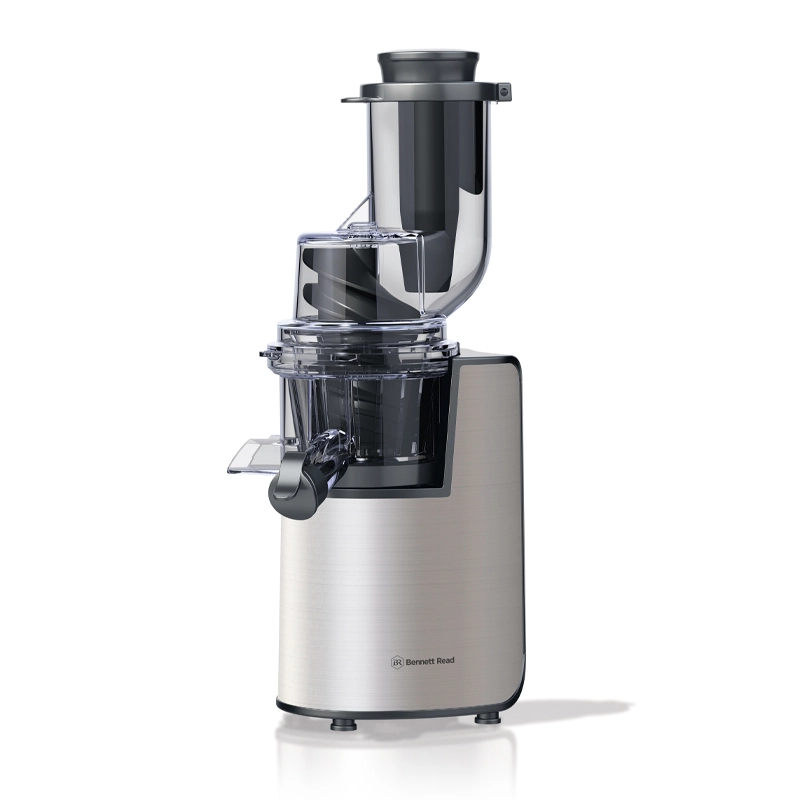
Juicers are ideal if you want concentrated, nutrient-dense juice without the fibre. They are particularly popular for detoxing, boosting daily fruit and vegetable intake, and creating light, easily digestible drinks. The Bennett Read Pure Press 360 Juicer uses RotaPress Slow-Juicing technology to extract more juice with less pulp, less froth and less waste. It handles berries, citrus, leafy greens and wheatgrass, and its BPA-free Tritan components are dishwasher-safe for effortless cleanup. A drip-free spout cap, low-noise motor and integrated safety lock complete the package.
When to Choose a Blender
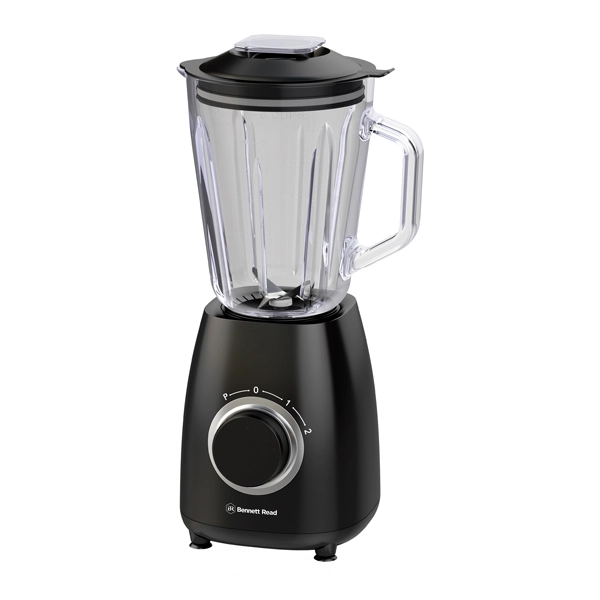
Blenders are more versatile. They make smoothies, soups , salsas, dips, purees and crushed ice. Because they retain the whole ingredient including fibre, they are a better option for satiety and gut health. The Bennett Read 600W Jug Blender delivers serious blending power with a 600W copper motor, Tornado-Tech cyclonic action and four precision-engineered stainless steel blades. The 1.5L glass jug handles family-sized servings, and the no-mess feed lid lets you add ingredients mid-blend. Two speeds and pulse mode give you full control over texture. For on-the-go nutrition, the Bennett Read 1000W Nutrition Extractor is purpose-built for single-serve smoothies. Stainless steel blades rotate at 25,000 RPM to pulverise fruit, vegetables, nuts and ice in seconds. It includes a 1L cup, 800ml cup, easy-sip lid and fresh-seal lid, making it the ideal portable blending solution.
Quick Comparison: Juicer vs Blender
Output
- Juicer: Juice, no fiber
- Blender: Smoothies, soups and purees
Nutrition
- Juicer: Concentrated vitamins and minerals
- Blender: Full fibre and nutrients retained
Best for
- Juicer: Detox, light drinks, citrus and greens
- Blender: Smoothies and meal preparation
Cleanup
- Juicer: More parts to clean
- Blender: Dishwasher-safe components
Whether you are after the clean, concentrated goodness of fresh juice or the full-fibre versatility of a blender, Bennett Read has the right appliance for your kitchen . Shop our full range of juicers and blenders and don’t forget to register your warranty online for up to two years of cover at no extra cost. While you are there, explore the complete Bennett Read kitchen and our appliance ranges for everything your home needs.
FAQs
What is better for you, juicing or blending?
Both have nutritional value. Juicing delivers concentrated vitamins and minerals in an easily digestible form, making it ideal for a quick nutrient boost. Blending retains the whole fruit or vegetable, including fibre, which supports digestion and keeps you fuller for longer. The better option depends on your health goals and how you prefer to consume your nutrition.
Can a blender be used for juicing?
Not in the traditional sense. A blender processes whole ingredients and retains all fibre, producing smoothies rather than juice. To get true juice, you need a dedicated juicer like the Bennett Read Pure Press 360, which separates the liquid from the pulp for a lighter, clearer result.
Is a juicer really worth it?
Yes, if fresh juice is a regular part of your lifestyle. A juicer like the Bennett Read Pure Press 360 produces 100% natural juice with no additives or preservatives at a fraction of the cost of buying fresh juice daily. It handles everything from citrus and berries to leafy greens and wheatgrass and pays for itself quickly.