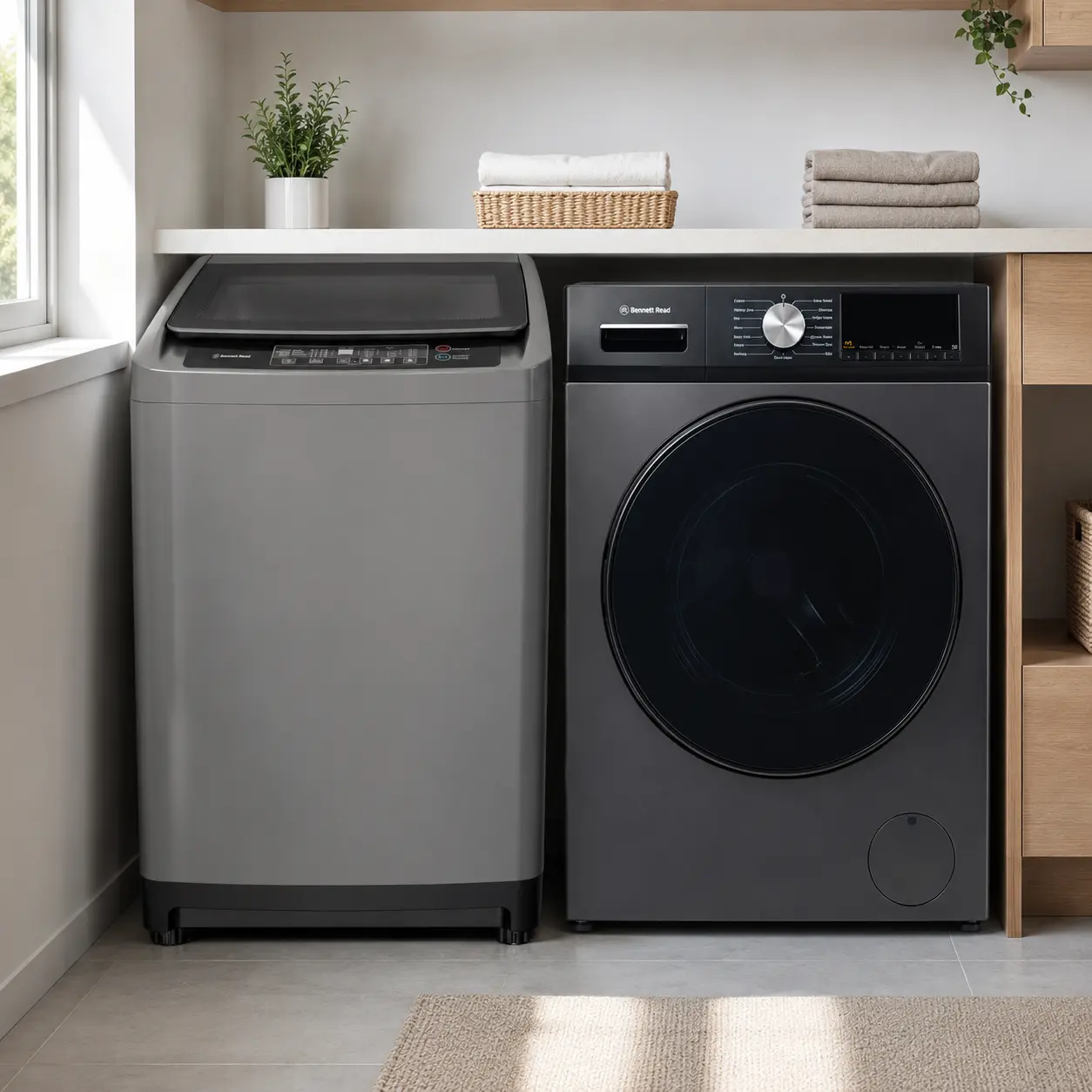
 Buying a new washing machine usually comes down to one big question: top loader or front loader? Both will get your laundry clean, but they go about it differently, and the right choice depends on your household, your budget and how you like to do your washing.
This guide breaks down how each type works, where each one shines, and which Bennett Read washing machine suits your home best.
What You Will Find in This Guide
- The main difference between top loaders and front loaders
- The strengths of each type
- The Bennett Read top loader and front loader range
- How to choose the right washing machine for your household
The Main Difference
A top loader washing machine loads from the top, usually through a lift-up lid, while a front loader washing machine loads from the front through a door. That single difference shapes almost everything else, from how much water each one uses to how it fits into your space and how gentle it is on your clothes.
In general, front loaders use less water, while top loaders offer quicker, more convenient loading.
Why Choose a Top Loader?
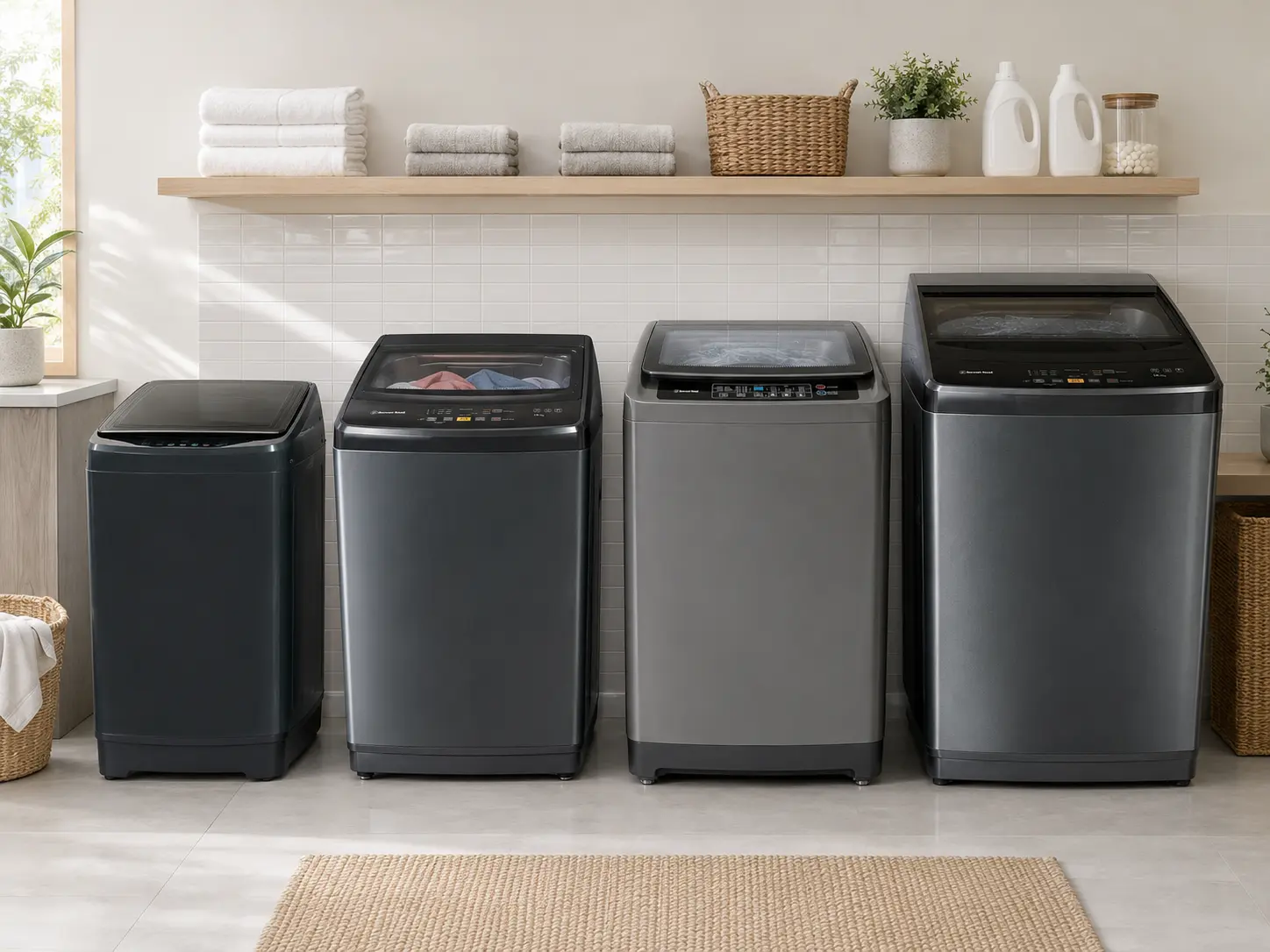 The top loader is a firm favourite in South African homes, and for good reason. It is easy to load without bending down, tends to run faster cycles, and is often the more affordable option. Top loaders also come in larger capacities, which makes them ideal for big or busy households.
The Bennett Read top loader washing machine range is built around family-sized washing.
- 12kg Top Loader Washing Machine : Automatically adjusts wash settings based on the selected programme and detected load. Its built-in memory is designed to resume the cycle after a power interruption, where applicable.
- 15kg Top Loader Washing Machine : Features 10 wash programmes and a soft-close lid.
- 17kg Top Loader Washing Machine : Handles duvets, towels and everyday clothing with both hot and cold water inlets for added flexibility.
- 22kg Top Loader Washing Machine : Built for large families and bulky loads, with 10 wash programmes, hot and cold water inlets, a digital display and control panel, and a soft-close tempered glass lid for a smoother, quieter wash experience.
Why Choose a Front Loader?
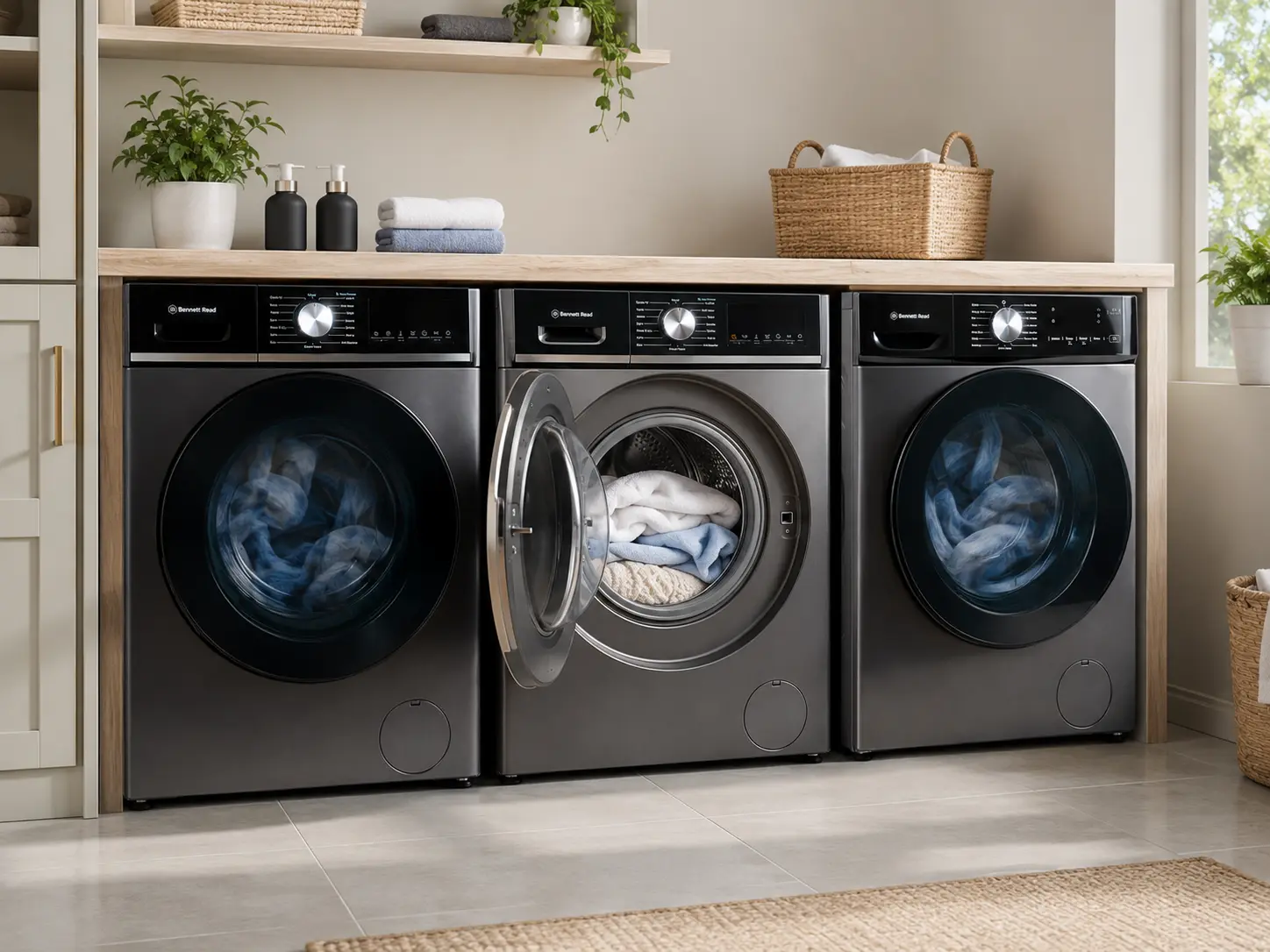
Front loaders are generally the more water- and energy-efficient choice. It typically uses less water and energy than a comparable top loader. Front loaders also fit neatly under counters or into tighter spaces.
Every Bennett Read front-loader washing machine runs on a quiet, efficient inverter motor with an A+++ energy rating and 16 wash programmes.
- 7kg Front Loader Washing Machine : Includes specialised Allergy Care, Baby Care and Bedding cycles, making it a strong choice for families with young children.
- 8kg Front Loader Washing Machine : Adds Steam Prewash and adjustable spin speed control.
- 10kg Washing Machine : Offers a steam assist function and extra capacity for bulkier loads.
Which Washing Machine Is Right for You?
Choose a top loader if you want:
- Larger capacity
- Faster cycles
- Easy loading
- Better everyday value
Choose a front loader if you want:
- Greater water and energy efficiency
- Gentler fabric care
- Lower running costs
A smaller front loader like the 7kg or 8kg washing machine suits couples and small families, while a 15kg or 17kg top loader is better suited to large households with heavy, regular laundry demands.
There is no single winner in the top loader versus front loader debate. The best washing machine is the one that fits your home, your habits and your budget.
Whether you lean towards the capacity of a top loader or the efficiency of a front loader, the Bennett Read washing machine range has an option built to make laundry day easier. Explore the full range here and register your warranty online for added peace of mind.
FAQ
How much laundry can I put in my washing machine?
Capacity is measured in kilograms of dry laundry. As a rough guide, a 7kg to 8kg machine suits couples and small families, while 12kg and above is better for larger households.
Avoid overloading the drum, as clothes need room to move for a proper clean. Leaving a hand's width of space at the top is a good rule.
What does spin speed (RPM) mean?
RPM stands for revolutions per minute, and it measures how fast the drum spins during the spin cycle.
A higher spin speed generally removes more water, so clothes may come out drier and require less drying time. Delicate fabrics do better on a lower spin speed, while towels and jeans can handle a higher one.
How long does a washing machine cycle take?
Most standard cycles run between 60 minutes and two hours, depending on the programme, load size and fabric type.
Quick and eco programmes are shorter, while intensive settings for heavily soiled loads take longer. Top loaders generally run faster cycles than front loaders.
Are front-loader washing machines better than top-loader washing machines?
Neither is better overall.
Front loaders are more water and energy efficient, gentler on fabrics and tend to clean more thoroughly. Top loaders are faster, easier to load and usually more affordable, and they come in larger capacities.
The right choice depends on your household size, budget and priorities.
How do I load a top loader correctly?
Add clothes loosely and evenly around the drum without packing them down.
Leave a hand's width of space at the top so items can move freely. Balance heavier and lighter items together to stop the drum from going off balance during the spin cycle, and always follow the maximum load guidance for your model.