South African winters may not be the harshest but keeping warm is still a high priority. Our homes are not equipped with thermostats - and even if they were, electricity costs to run them would be way too high. With the 11.32% municipal tariff increase coming into effect from 1st July 2025 and hours of loadshedding (planned power outages), SA citizens are increasingly looking for affordable and alternative ways to keep warm in winter. Whether you live in areas that receive the occasional sprinkling of snow, like the KZN Drakensberg and the Cape mountains, or you live in coastal areas with chilly breezes every now and then, we’ll give you the low-down on how to keep warm in winter. Note: Babies and those over 65-years old are especially vulnerable to the cold since they can’t regulate temperature well. Pay special attention to them and help them keep warm.
Keeping Your Environment Warm
A Chill-Proof Roof
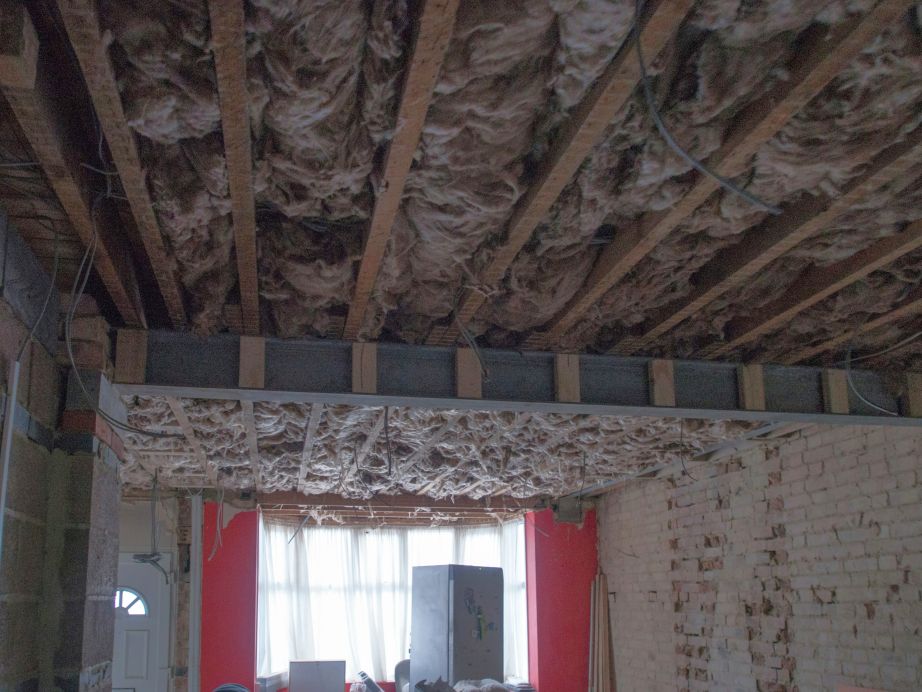
Image: Brett Jordan
It is estimated that you can lose up to 25% of heat through the roof. With this in mind, you may want to check to see if your home or office roof is properly insulated. If you’re not 100% confident in doing this, get professionals to help. The initial cost may be high, but proper insulation will go a long way to keeping in heat and will save you in the long run (since you won’t need to rely on other heating methods as much).
Sort Out All Draughts
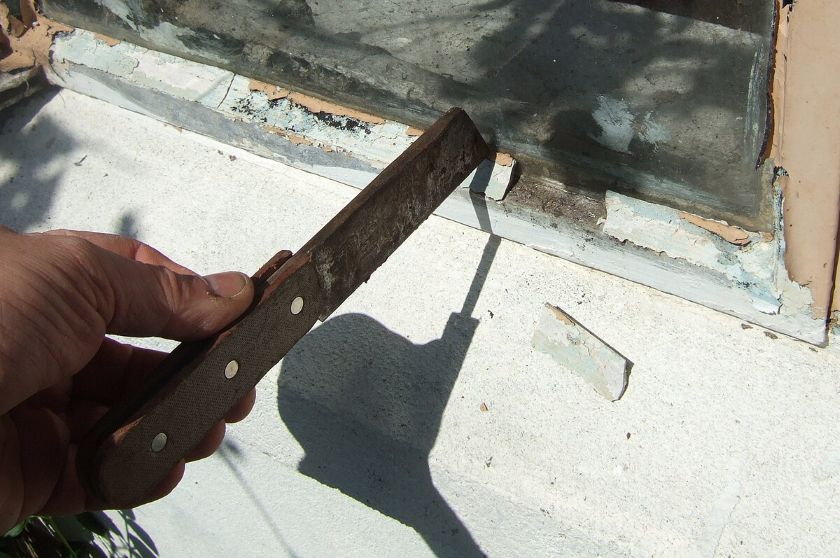
Image: Andy Dingley
While the roof should be your main area of focus, it’s also important to check for any cold air trickling in through closed windows or doors. You can go around your home or office building with a candle (on a windy day) to see where it flickers the most – that will be the area you need to seal off.
You can use weatherstripping to seal window air leaks and if you have wooden frames you should remove old, worn putty and apply new putty to create a better seal.
When it comes to your doors, there are many ways to keep the cold shut out. You can install a rubber seal at the bottom of your door, or you can just use rolled up towels. Alternatively, you can use the inner cardboard roll of wrapping paper and pull an old stocking over this – this can then be flattened to fit into gaps small or big.
Make Use of Natural Sunlight

On sunny winter days, you want to make sure you utilise every hour of sunlight. The first thing you do when you wake up should be to open all your curtains or blinds. This will let the outside heat stream into your home and slowly warm it up. As soon as the sun sets, be sure to close your curtains and windows to avoid any warmth escaping. You’ll be surprised how this simple practice, which costs absolutely nothing, can make such a big difference.
Amp Up Your Window Coverings
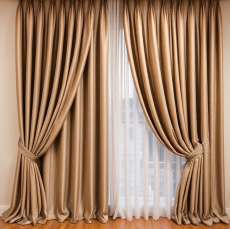
Double curtain rails can be a life saver for temperature control – allowing you to layer your curtains. This extra covering will keep your home nice and toasty. If you can’t install a double rail, then consider switching out your current curtains with thicker ones. If you don’t have any extra to spend on this but do have extra sheets, towels, or sleeping bags, you can tuck these over your existing curtains, and this will help trap in any heat.
Warmer Flooring
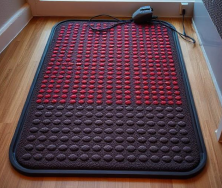
Materials like carpeting or cork can be much warmer underfoot during the chilly season. However, re-surfacing can be expensive. So, you may want to consider getting a heated mat, which you can place in the area that you spend most of your time in.
Assess Your Geyser
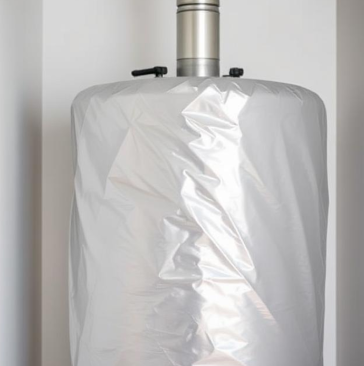
Electric geysers can use up a lot of electricity and become expensive if not carefully monitored. If you have one of these, make sure your family know not to wash their hands or brush their teeth with warm water, unnecessarily running the geyser and using up power.
Other actions to take if you have an electric geyser include lowering your geyser temperature, setting it on a timer to switch off when not needed, and insulating it with a geyser blanket (reducing heat loss thus requiring less electricity).
If you have the money to do so, consider installing a gas geyser – these only heat water when you need it rather than maintaining a set temperature for a large volume of hot water. A gas geyser will also ensure that load shedding never gets in the way of you enjoying a nice hot shower in the midst of winter. Note, that if you do go the gas route, it’s a good idea to keep a small backup bottle of gas to save you from being left in the cold when your gas runs out.
Use Humidity to Your Advantage
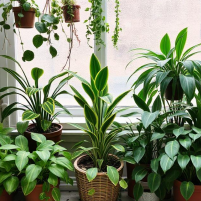
Extra moisture in the air, also known as humidity, can make the air around you feel warmer because your sweat evaporates slower in it. Additionally, moist air is better at retaining heat, making humidity an effective way to keep warm in winter – a season known for dryness.
You can increase the humidity of your home or office by getting more plants inside (these release moisture into the air), buying a humidifier, and hanging damp washing inside. Around 30-50% humidity is recommended for indoor environments.
Sleep in a Tent
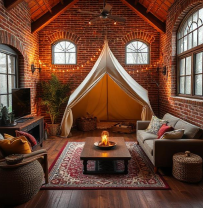
If it’s a super cold evening and none of your efforts to heat up your home are working, you can pull out your tent and camp indoors – which is especially fun for the kids! It’s much easier to heat up a smaller space and, since tents are designed for more extreme weather, you’ll be toasty in no time.
Utilise All Appliances That Give Off Heat
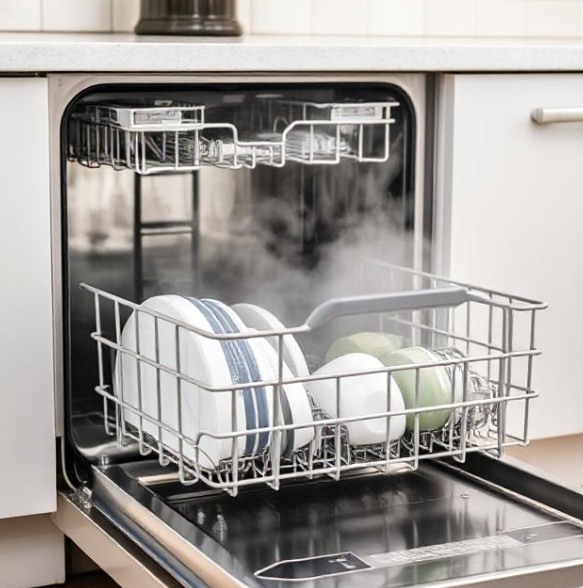
There are plenty of appliances that you can use to your advantage. Opening up your dishwasher straight after a cycle will release a burst of steam into your home, for example. Need to run your tumble dryer or Dri Buddi to urgently dry clothes? Then move it to the room you’ll be staying in and enjoy the residual heat. Why not do some meal prep for the next night and run your mini oven to roast a chicken and warm up your kitchen at the same time. If you have an oven, leave the door open after cooking and let the heat slowly disperse.
Control Air Circulation and Flow
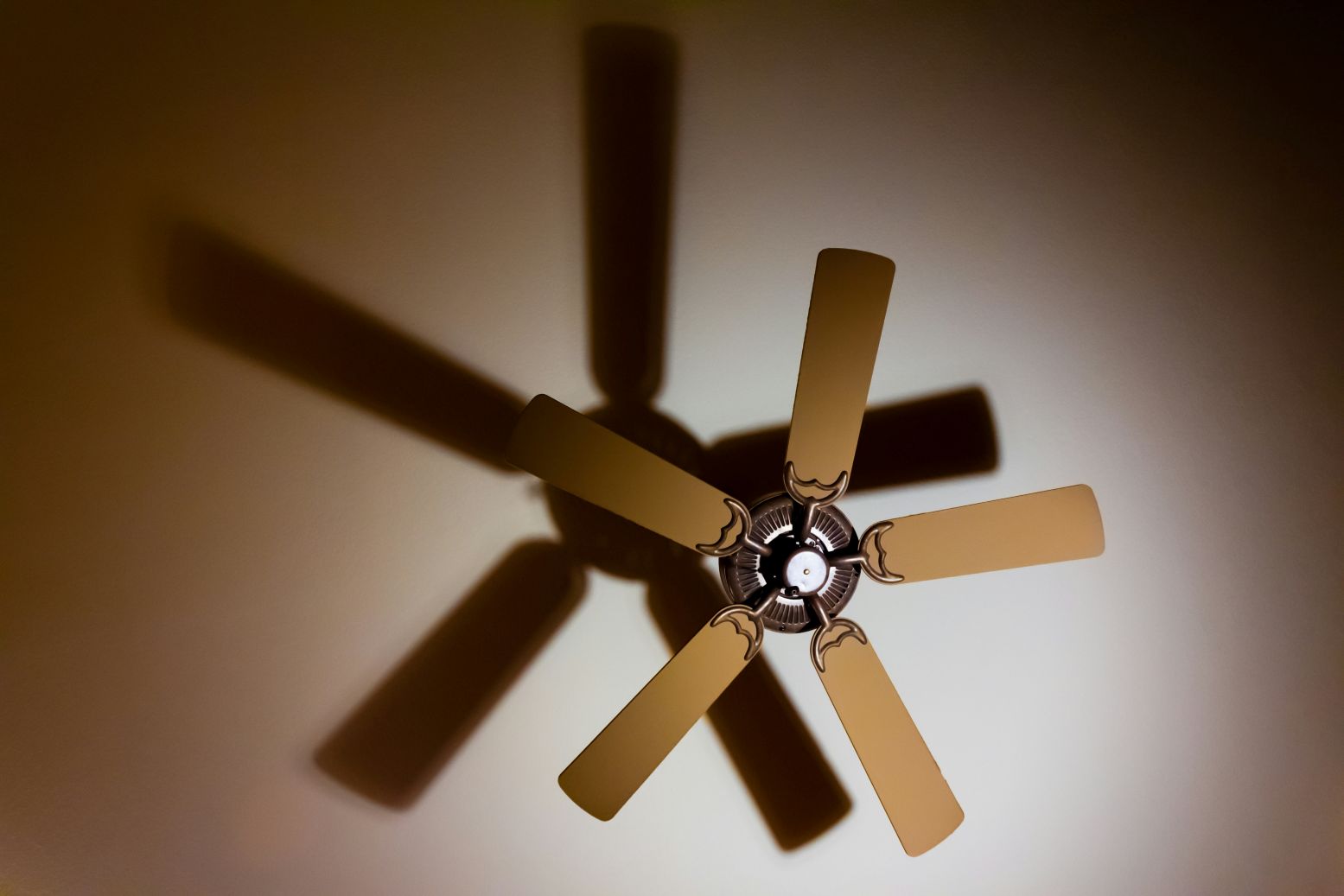
Photo by Jason Anderson
You may have pockets of hot air in your home or office, but if your air circulation is poor, then these pockets won’t benefit you. While it may seem counterintuitive, using a ceiling fan to improve air circulation can actually help – with one caveat: reverse the motor direction and set it at a low speed in a clockwise direction. This will push hot air, which naturally rises, downwards.
Keeping Yourself Warm
Now that we’ve covered environmental heating, let’s look at targeted heating. This is heating that’s focused on keeping you warm. Generally, it’s a lot more effective and efficient to focus on heating your body up rather than an entire office or lounge. We’ll walk you through some more tips on how to keep warm in winter with targeted heating.
Buy a Portable Heater
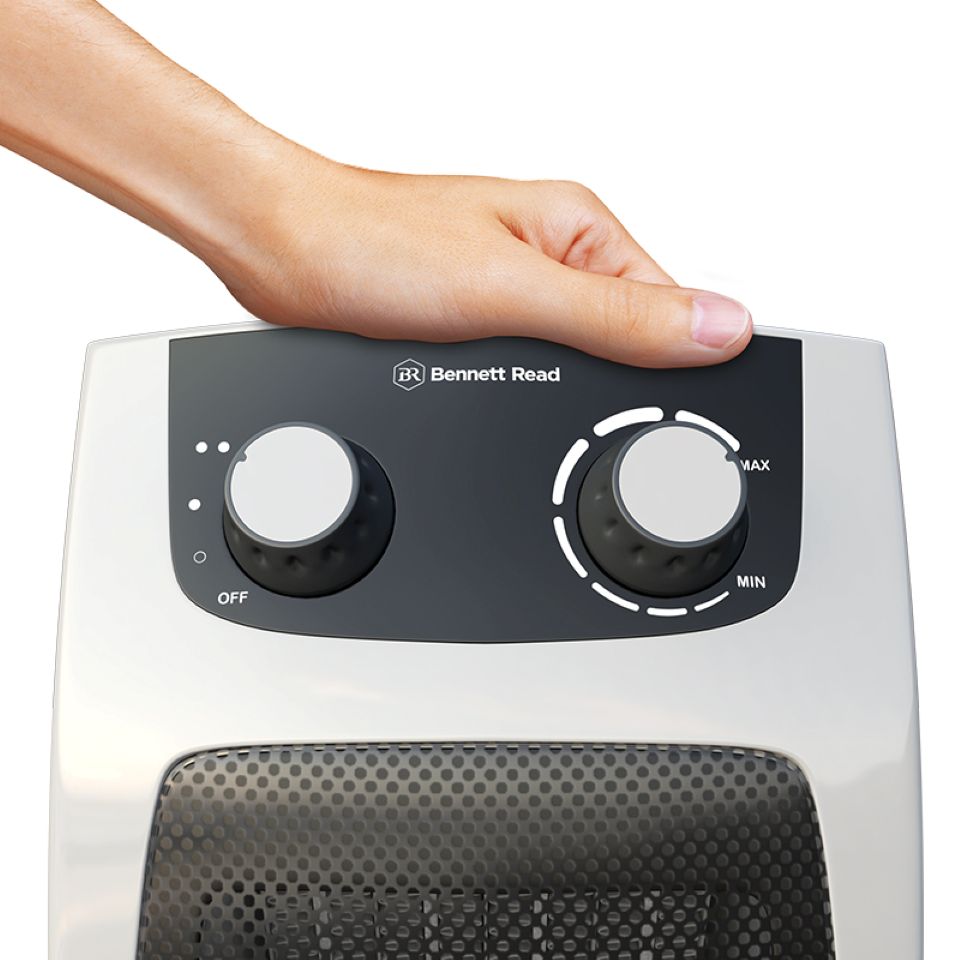
There are many different kinds of heaters you can buy, each with their own advantages. Portable space heaters, like our 2-in-1 compact fan heater, are a cost-effective option with a lower power demand than centralised heating systems. Whether you have a gas heater, quartz heater, or fan heater, you’ll want to make sure you close any doors to unused rooms in order to keep the heat closer to you and to prevent it from dispersing.
Avoid Spending Too Long Outdoors

Image: Nima Mohammadi
Once your core body temperature drops it requires a lot of effort and energy to get it back up to normal again. It can be lowered by prolonged exposure to cold outdoor temperatures. It’s better to limit your time spent outdoors and direct your body’s energy to maintaining heat instead of trying to generate it.
Invest in a Hot Water Bottle
Hot water bottles are one of the simplest and most cost-effective solutions when used correctly. In order to ensure it retains its heat effectively and ensure you benefit from it for as long as possible, make sure you keep the following in mind:
- Don’t use boiling water, as this can damage the seams of your bottle, letting heat out.
- Avoid completely filling your bottle. Leave a little room for the hot air to expand. Too much of a pressure build up could lead to it bursting or being damaged at the seams.
- Cover your bottle with a towel if it did not come with a cover. This will help keep the heat in.
- The bigger the hot water bottle, the better. Larger volumes of water retain heat more effectively.
Pro Tips: You can lie gloves or socks over your hot water bottle to warm them up before use. Want a heated bath towel? Fold your towel over a hot water bottle and let it heat up while you soak in the tub. Want a nice toasty bed to climb in and don’t have electric blankets? Fill your bottle with a fresh batch of hot water and place it under the sheets just before you sleep. Note: you should never use hot water bottles together with electric blankets, since this is a safety hazard.
Make Your Own Heat Bags
If you don’t have a wheat bag to pop in the microwave and drape over your shoulders or lie on your lap, you can make something similar. Simply fill a sock with rice, tie the opening closed, and heat it up in the microwave to enjoy its slow release of heat.
Work Up a Sweat

Exercising in cold weather can help you heat up in the following ways:
- As you burn calories during a workout, your body will respond by releasing heat.
- As your muscles contract and move, these actions naturally generate heat.
- As your circulation increases, your body is able to better direct heat to the areas that need it through improved blood flow (hot tip: you can also improve your blood flow with a Bennett Read electric massager).
Watch What You Drink
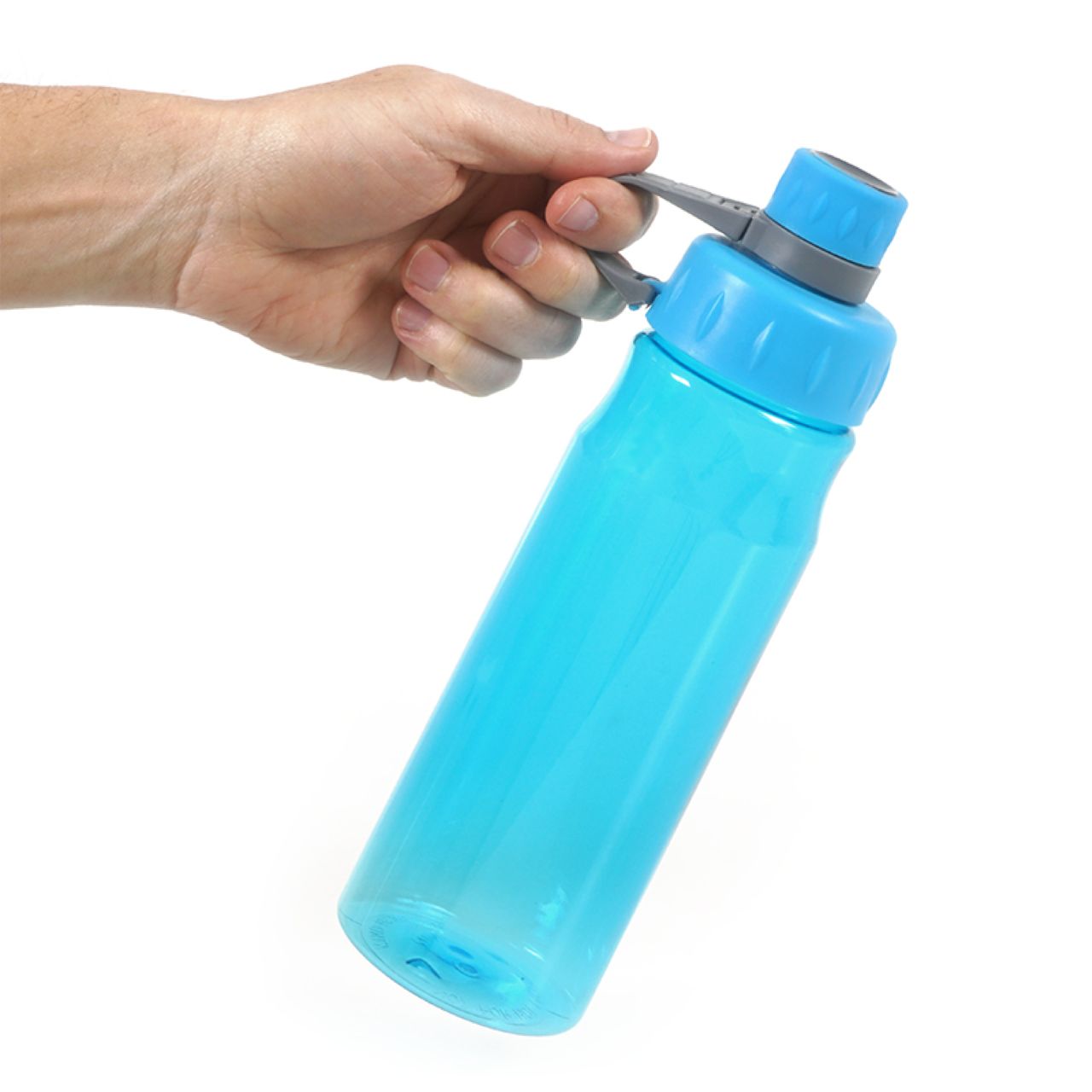
Drinking plenty of fluids (preferably water) will help boost your body’s temperature regulation. However, this is not true for all liquids. It’s best to avoid fluids like alcohol as this messes with the constriction of blood vessels, making you lose heat quicker. Furthermore, alcohol numbs you to the cold, which means you may not notice how long you’ve been outdoors, exposed to colder conditions which could drop your core temperature.
Choose Warm Meals and Drinks

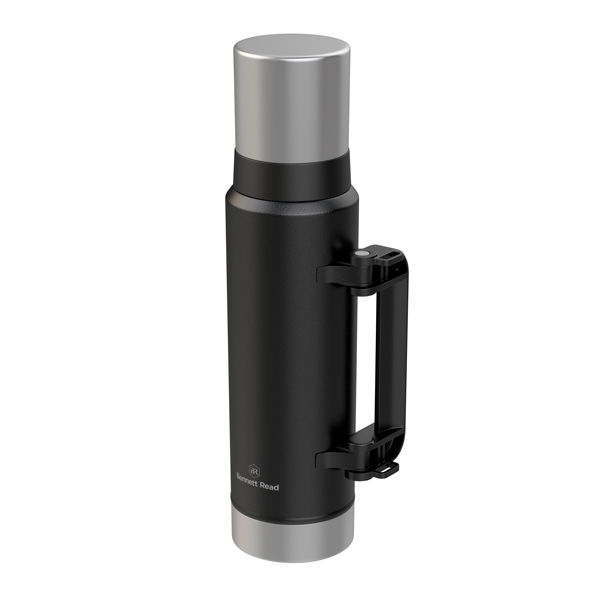
Eating warm meals, like soup, is a simple and effective way to heat your body up. Think tender stews made in a multi cooker, fresh fries made in an air fryer, or delicious roasts in your oven! You should also eat smaller meals more frequently if you’d like to boost your body’s energy – needed for heat maintenance and regulation functions. And when it comes to hot drinks, hot cocoa, tea, chai, or coffee are equally effective. Just don’t overdo the caffeine as this acts as a diuretic, hindering your hydration efforts.
Pro tip: Keep these beverages warmer for longer in our 1.5L Explorer Double-Wall Vacuum Flask which stays hot for up to 8 hours . Make sure you fill your flask ahead of load shedding if you don’t have a gas stove.
Choose Your Blankets and Bedding Wisely
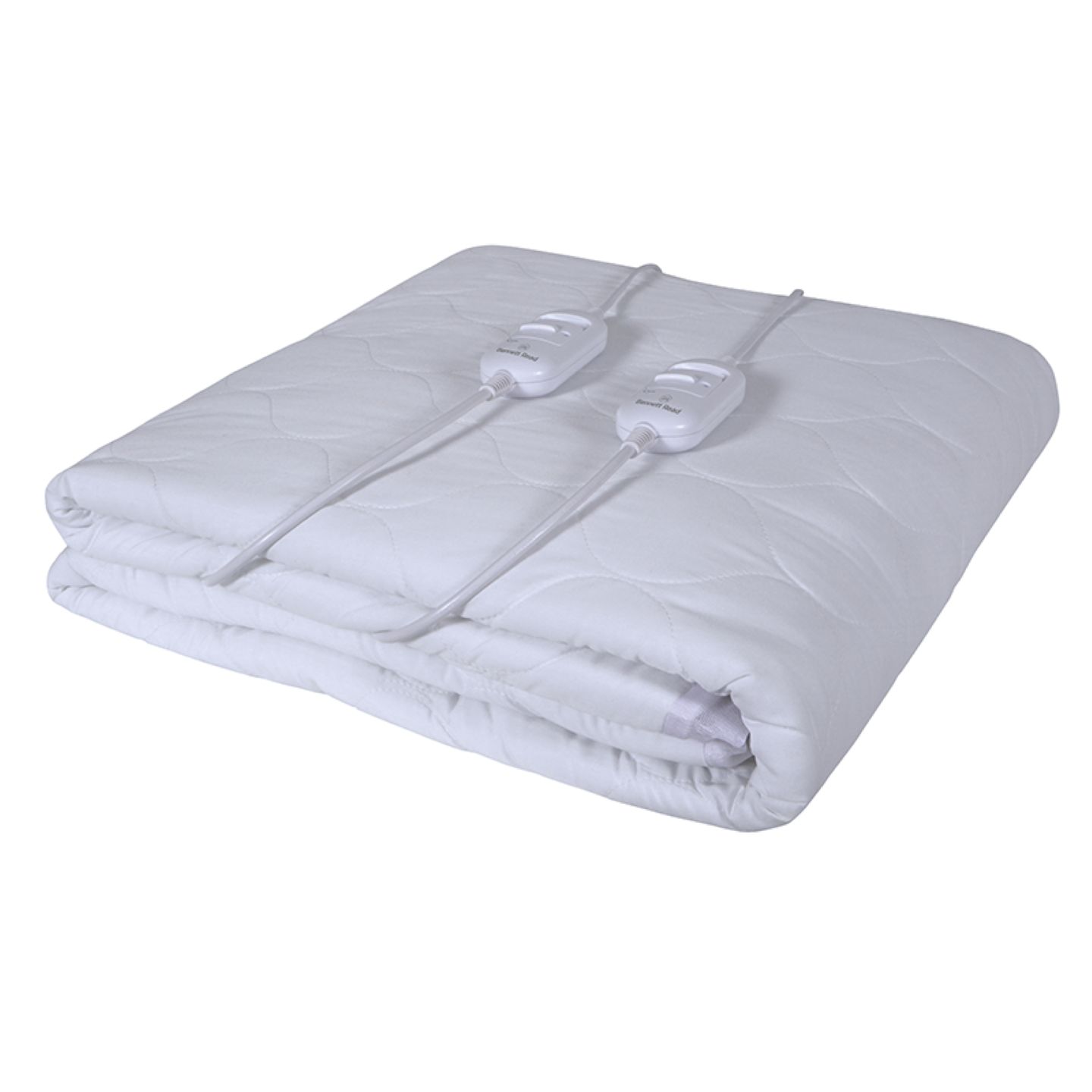
Keeping in line with targeted heating, electric blankets are extremely effective. Since nighttime sees the lowest temperatures, it makes sense to prioritise a nice warm bed while you sleep.
You can also try weighted blankets which are extra effective at trapping warm air in.
When it comes to bedding, look out for winter sheets, pillowcases, and mattress covers. These are usually extra thick and have a higher thread count to provide better insulation.
Heat Your Hands and Feet
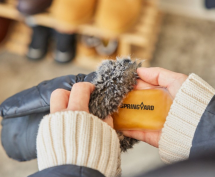
Image: www.smartasaker.com
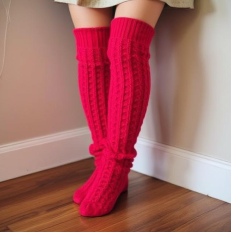
Your extremities can use a little extra assistance when it comes to keeping warm in winter. This is especially important since your blood vessels constrict in the cold, directing blood flow to your vital organs and away from your hands and feet. Choose gloves, socks, or leg warmers with materials that are good at trapping heat in, such as wool or fleece. You can also get yourself some hand warmers which you can slip into your gloves and socks. These small, inconspicuous packs work through a chemical reaction that releases heat. You crack the warmer before use to set off the reaction.
Waterproof footwear is also a must for winter since having wet feet is one of the fastest ways to rapidly lose body heat. If your shoes aren’t already waterproof you can use shoe polish, like Dubbin, to safely secure them from pavement pools.
What You Wear Matters
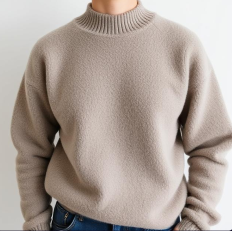
Flannel and Fleece should be your go-to fabrics whether you’re choosing shirts, pants, or jerseys. This is because these materials trap heat well. However, it’s not just your choice of material that matters, it’s also the way you wear it that counts. Your base layer, which is the layer that makes direct contact with your skin, should wick moisture away from your body. Cotton is not particularly good at this and shouldn’t be your first choice. Try thermal wear or fabrics like bamboo, wool, nylon, or polyester rather.
Once you’ve chosen your base layer, add more thin layers of clothing - with each layer trapping in pockets of heat.
From managing draughts and roofing insulation to keeping your extremities protected and your core temperature at a safe level, knowing how to keep warm in winter should help keep those electricity bills down. We wish you the best as you brave the low temperatures through load shedding and those bitter cold fronts!